Senior Home Care and Meal Support: Preventing Poor Nutrition in Older Grownups
Business Name: FootPrints Home Care
Address: 4811 Hardware Dr NE d1, Albuquerque, NM 87109
Phone: (505) 828-3918
FootPrints Home Care
FootPrints Home Care offers in-home senior care including assistance with activities of daily living, meal preparation and light housekeeping, companion care and more. We offer a no-charge in-home assessment to design care for the client to age in place. FootPrints offers senior home care in the greater Albuquerque region as well as the Santa Fe/Los Alamos area.
4811 Hardware Dr NE d1, Albuquerque, NM 87109
Business Hours
Malnutrition in older grownups hardly ever looks like the dramatic images people think of. It is more subtle than that. A half sandwich left untouched, a bowl of cereal replacementing for dinner, a couple of pounds lost on a monthly basis that nobody tracks. By the time the problem is apparent, strength, resistance, and independence are already compromised.
Working in elder care and in-home senior care, I have actually viewed nutrition quietly make the distinction between an older adult who can stay securely at home and one who cycles through hospitalizations and rehab. Meal assistance is not practically cooking. It sits at the crossway of medical requirements, self-respect, culture, mood, and the practical realities of aging.
Senior home care, when done well, turns mealtimes from a risk point into a protective factor.
Why nutrition is so delicate in later life
Older grownups are not simply "smaller adults" who require less calories. Their bodies change in manner ins which make great nutrition both more vital and harder to achieve.
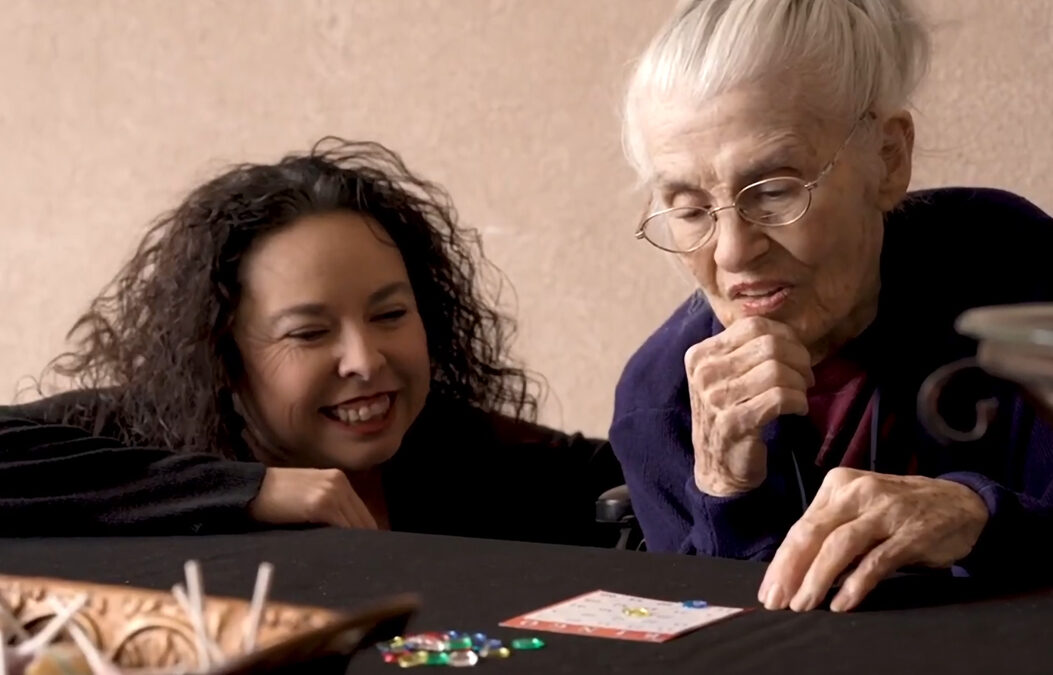
Taste and smell may dull, which makes food less attractive. Chewing becomes a chore because of missing teeth or badly fitting dentures. Swallowing can be less collaborated after a stroke or just with age. The hunger signal itself might weaken, so an older person states "I'm just not hungry" and implies it.
Layered on top of that, there are persistent conditions. Heart failure might need salt limitation. Diabetes calls for cautious carbohydrate control. Kidney illness can make protein consumption more complex. Medications affect cravings, food digestion, and how food tastes. The typical older adult typically takes a number of prescriptions, each with its own side effects.
Then come the social aspects. A partner who utilized to prepare has actually died. Driving to the shop no longer feels safe. The kitchen area setup is no longer easy to use, or a previous fall has actually made the stove frightening. For some of my clients in Albuquerque home care, even the summertime heat is enough to discourage cooking an appropriate meal.
None of these alone warranty poor nutrition. Together, they develop a vulnerable system that can tip quickly, particularly when there is no one frequently paying attention.
What poor nutrition appears like in real homes
Most families do not utilize the word "malnutrition" about their parents. They say, "Mom is getting picky," or "Dad simply consumes light." That language conceals a genuine medical issue.
The trouble is that poor nutrition in older adults can appear in both thin and much heavier people. Someone can look well fed yet lack protein, vitamins, and minerals required for muscle repair, injury recovery, and immune function. I have seen a client in his late seventies with a round belly but almost no muscle mass in his legs. He might not stand without assistance, not since of pain, however because there was simply inadequate strength left.
To make this less abstract, here is a basic list households and caregivers can utilize as a starting point when they believe an issue. This is the very first of the 2 short lists in this article.
- Clothing all of a sudden looser, rings slipping, or noticeable changes in the face and neck over a few months
- Food left untouched, spoiled groceries, or a practically empty refrigerator or pantry in between shopping journeys
- Repeated infections, slow recovery of small injuries, or regular tiredness and napping
- New or intensifying confusion, irritability, or withdrawal from normal activities
- Falls, trouble rising from chairs, or total loss of strength without another clear explanation
None of these indications alone shows malnutrition, however a pattern needs to press households to act. When I visit a new customer as part of elder care services, I always begin with the kitchen area and the trash can. They tell a more honest story than a courteous, "Oh yes, I consume fine."
Why at home senior care is uniquely positioned to help
Hospitals and clinics see patients for minutes. Senior home care employees see them for hours in the location where most decisions about food really take place. That is why in-home care is such an effective tool in preventing malnutrition.
Seeing the entire photo, not simply the plate
In-home caregivers do not simply observe what is on the plate, but how it got there.
They notification that the only accessible store sells mostly processed food. They realize the client consumes less when consuming alone or when the tv is on. They see that the "good" frozen meals a child equipped are buried at the back of the freezer, behind the ice cream.
I keep in mind a retired instructor whose daughter organized home care for parents caring for each other. The child lived out of state and delivered boxes of shelf-stable meals. On paper, it appeared responsible. In practice, the couple seldom touched them since they were used to fresh tortillas and stews, not packaged meals. As soon as our caretaker started preparing smaller, fresh meals with familiar tastes, their food consumption enhanced noticeably.

This type of context-aware support is extremely hard to attain without someone physically present in the home.
Turning medical advice into genuine meals
Physicians and dietitians use important assistance, but it often stops at broad instructions like "limitation salt" or "increase protein." For an older adult with fatigue and arthritis, that can seem like a foreign language.
In-home senior care bridges that gap by translating standards into daily choices. If a client in Albuquerque is supposed to restrict salt, a caretaker may:
- choose low salt broth rather of regular for soups
- rinse canned beans to remove excess salt
- season with herbs, citrus, and spices rather of salt
(Due to the fact that of the directions for this article, this is the second and final list. Whatever else is explained in paragraphs.)
That useful implementation is where real avoidance lives. Without it, even the very best medical strategy sits untouched in a folder.
Regular tracking, subtle course corrections
One advantage of constant senior home care is the ability to see small modifications early. A caretaker who stores and cooks 2 or three times weekly sees patterns instead of snapshots.
Maybe the customer leaves more food on the plate than typical. Perhaps they stop asking for a preferred dish. Perhaps grocery bags feel lighter because they are avoiding protein products. These information are simple to miss if a family member visits just on weekends or depends on phone calls.
With the customer's permission, a mindful caretaker can report changes to household or to the nurse case supervisor, so the group can react while the problem is still reversible. In some cases the response is as simple as changing breakfast from toast, which is hard to chew, to yogurt and soft fruit.
Common nutrition obstacles addressed through home care
In real practice, certain issues turn up over home care albuquerque nm and over again. Effective in-home care prepares for these rather than awaiting a crisis.
Poor hunger and "I am just not starving"
Appetite decreases for many reasons: medications, depression, slowed food digestion, even tastes altering. Simply prodding someone to "eat more" seldom works. Thoughtful elder care treats bad appetite as a symptom to be explored.
Small, regular meals often work better than 3 large ones. A caregiver might provide a protein enriched shake midafternoon or divide a lunch into 2 smaller servings. The goal is to minimize the sense of being overwhelmed by a big plate.
Mealtime can likewise be reframed as social time. When caretakers sit and share a cup of tea, conversation can coax a couple of more bites. I have actually seen customers consume nearly absolutely nothing when alone, then manage a full bowl of soup when someone is at the table with them.
Dental, chewing, and swallowing issues
A covert driver of poor nutrition is pain with eating. An older grownup who struggles with dentures or has oral discomfort frequently avoids harder foods like meat and raw veggies, which are also nutrition dense.
In-home senior care workers are not oral specialists, but they are perfectly positioned to discover. They may hear, "It injures to chew," or observe that the client cuts food into really small pieces, consumes very slowly, or quietly eliminates dentures after a couple of minutes.
Once recognized, care can shift toward softer proteins like eggs, yogurt, cottage cheese, stewed meats, and tender beans. Caregivers can likewise support follow through with dental visits or speech treatment when swallowing is an issue.
Medication schedules that clash with meals
A surprising number of medications must be taken with food, far from food, or at particular times. If that schedule does not match the older adult's natural consuming rhythm, they may skip meals to take tablets properly or avoid tablets to consume comfortably.
Senior home care that includes medication pointers can align meals and medication schedules in a practical method. Sometimes the service is adjusting mealtimes a bit. Other times, caretakers prepare a small treat specifically to couple with a challenging medication. Coordination with the prescriber is essential, however the daily execution rests with whoever remains in the home.
Cognitive changes and safety concerns
For older adults dealing with dementia, cooking individually ends up being a safety threat long before they entirely stop preparing meals. They may forget food on the stove, misjudge for how long something can safely stay in the refrigerator, or consume spoiled items due to poor judgment.
In-home care for parents facing cognitive decline shifts meal associated jobs gradually. Perhaps the parent still stirs the pot and sets the table, but the caregiver manages chopping, heat sources, and portioning. This preserves a sense of involvement and ownership without assuming risky tasks.
I have worked with households in which a father with early dementia insisted on "doing the cooking" as he always had. We jeopardized by having the caregiver preparation ingredients in the morning, then he would put meals in the oven later with close guidance. He felt useful; his household felt safer.
Preserving dignity and cultural identity through meals
Nutrition support is not just a matter of grams of protein or milligrams of sodium. Food connects to identity, memory, and convenience. If senior home care disregards that, even technically right meal plans will fail.
Respecting food traditions
For many older adults, specifically those who have resided in one area or culture for decades, specific foods carry deep meaning. In New Mexico, I have met customers for whom a bowl of posole or a fresh tortilla is not flexible. It is tied to youth, vacations, and family.
Skilled caregivers do not attempt to remove these away. Instead, they deal with dietitians or nurses to adjust dishes or portions so that favorites fit within medical guidelines. Perhaps the tortilla is smaller and coupled with a high protein filling. Possibly the posole utilizes leaner meat and less salt.
Clients who see their heritage respected are much more most likely to work together with other adjustments.
Balancing assistance and independence
Nutrition support can unintentionally slide into infantilizing behavior if caretakers are not mindful. Older grownups are adults. They have food preferences, viewpoints, and the right to make informed options, even imperfect ones.
Good in-home care involves the older grownup in planning. Caretakers might take a seat weekly with the client and ask what sounds excellent, then recommend modest tweaks. "You like mashed potatoes. How about we add some prepared carrots and chicken so it ends up being a square meal?"
Whenever safe, clients can still take part in food preparation: washing vegetables while seated, tearing lettuce, stirring a pot. These small tasks reinforce autonomy and keep the individual engaged with the process.
Working with experts: nurses, dietitians, and physicians
Senior home care does not change medical companies. It magnifies their work by executing recommendations and reporting back.
When a client has substantial weight loss, complicated medical conditions, or swallowing problems, involving a registered dietitian is smart. The dietitian can create a tailored plan, however the very best results come when a caretaker helps perform it and notes what does and does not operate in practice.
Communication flows in both instructions. Caregivers can share food logs, note which textures the client tolerates, and highlight concerns like irregularity or queasiness. Nurses and doctors can then fine-tune medications, change fluid targets, or order more evaluation.
Families typically are reluctant to "bother" the doctor with nutrition concerns, believing it is not serious enough. From years in elder care, I can state that a lot of clinicians would rather attend to emerging malnutrition early than treat avoidable issues later, such as pressure injuries, duplicated infections, or falls due to muscle loss.
How families can use home care to protect nutrition
Securing in-home look after parents is a substantial step. Numerous adult children call a firm focused on bathing, medication suggestions, or companionship, and only later on recognize how vital meal assistance is.
When you consult with a potential senior home care service provider, specifically in regions like Albuquerque where older grownups might have specific cultural food choices and climate associated threats, ask straight about nutrition practices. Unclear answers like "We help with light cooking" are not enough.
Here are some concrete concerns and methods, revealed in prose instead of more lists:
Ask who actually prepares the meals. Exists any input from a nurse or dietitian when a client has diabetes, kidney illness, or heart failure, or are caretakers left to improvise?
Explore how the firm trains caretakers in safe food handling, choking danger, and special diets. Someone taking care of a client with swallowing problems requires to understand texture modification and pacing, not simply how to heat soup.
Clarify shopping treatments. Will the caregiver take the client along, shop alone with a list, or utilize shipment services? For some clients, going out to the store is stimulating. For others, it is stressful and leads to hurried, poor choices at the shelf.
Ask how caretakers document and report changes in intake or weight. Ideally, they ought to keep some easy record and know who to get in touch with when they see worrying patterns, whether it is a nurse supervisor, care manager, or household member.
Discuss how they manage resistance. Many older grownups bristle at being told what to eat. Experienced caretakers can share examples of how they have browsed those conversations respectfully.
When comparing various in-home care or Albuquerque home care firms, you will begin to see differences. Some see meal preparation as a standard housekeeping chore. Others treat it as a central pillar of care. For preventing malnutrition, that difference matters.
For caretakers in the home: sustainable regimens, not heroic effort
Family members often begin strong. They equip the freezer, cook intricate meals, and visit regularly to consume together. In time, work, distance, and caregiver fatigue make that level of participation impossible.
Senior home care is most reliable when it supports reasonable, sustainable routines.
An example pattern that works well for lots of families:
The caretaker manages weekday lunches and dinners, concentrating on well balanced, easy to consume meals. Relative visit on weekends, bringing favorite meals or cooking together. A nurse or physician checks weight and laboratories every few months, changing the strategy as needed.
Within this structure, everyone has a role. The caregiver observes everyday consumption. Household notices social and emotional shifts during shared meals. Clinicians keep an eye on the medical markers. No one individual brings everything, and the older adult does not feel micromanaged.
I keep in mind working with a family where the child initially tried to control every menu from across the country. She would email detailed meal strategies, which the caregiver discovered challenging to implement offered the client's changing cravings. Once they shifted to general objectives, like "consist of protein every meal and two servings of fruit or veggies daily," and relied on the caretaker's judgment, tension levels dropped and the client's intake really improved.
When malnutrition has currently started
Sometimes senior home care is generated after a hospitalization, a fall, or visible weight-loss. The objective then is not just avoidance, however rebuilding.
Reversing poor nutrition in an older adult is not just about serving large parts. The body can only use so much at once, and aggressive refeeding can even threaten in severe cases. Healing generally involves small, nutrition dense meals, in some cases fortified with powders or high calorie liquids advised by a dietitian.
Caregivers help by:
Preparing concentrated foods that pack more nutrition into smaller volumes, such as shakes with added nut butter or powdered milk, or soups rich in lentils and vegetables.
Spacing consumption throughout the day, including planned treats, so that total calories and protein satisfy targets without overwhelming the stomach.
Encouraging adequate fluids, since dehydration and malnutrition often travel together, particularly in hot climates like Albuquerque throughout the summer.
Supporting light activity as strength returns, given that moving the body signals muscle to restore and enhances appetite.
Families must comprehend that improvement takes time. A rough guide is that meaningful muscle gain and practical recovery after major poor nutrition takes weeks to months, not days. Perseverance and consistency matter more than dramatic interventions.
The much deeper payoff: self-reliance and quality of life
When nutrition is reputable, many other aspects of aging become more workable. Medications work as planned. Injuries heal quicker. Energy for physical treatment, social interaction, and pastimes increases. The danger of hospitalization drops. All of this supports the main aim of most elder care: allowing older grownups to live where they want, with as much independence and dignity as safely possible.
Senior home care that takes meal assistance seriously alters the trajectory of aging at home. It changes skipped dinners and cereal suppers with thoughtful, tailored meals. It changes guesswork with observation. It involves the older adult as a partner rather than a passive recipient.
For households weighing in-home care for parents, it can help to view meals not as a side benefit, but as a core medical and psychological service. Whether you are arranging elder care in Albuquerque or any other city, ask difficult concerns about how companies approach nutrition. The answers will inform you a good deal about how they see your loved one's entire life, not just their task list.
Malnutrition in older adults prevails, however far from inescapable. With the best mix of expert guidance, attentive in-home care, and respect for the person behind the medical diagnosis, meals become one of the strongest tools we have for keeping older grownups safe, strong, and truly at home.
FootPrints Home Care is a Home Care Agency
FootPrints Home Care provides In-Home Care Services
FootPrints Home Care serves Seniors and Adults Requiring Assistance
FootPrints Home Care offers Companionship Care
FootPrints Home Care offers Personal Care Support
FootPrints Home Care provides In-Home Alzheimer’s and Dementia Care
FootPrints Home Care focuses on Maintaining Client Independence at Home
FootPrints Home Care employs Professional Caregivers
FootPrints Home Care operates in Albuquerque, NM
FootPrints Home Care prioritizes Customized Care Plans for Each Client
FootPrints Home Care provides 24-Hour In-Home Support
FootPrints Home Care assists with Activities of Daily Living (ADLs)
FootPrints Home Care supports Medication Reminders and Monitoring
FootPrints Home Care delivers Respite Care for Family Caregivers
FootPrints Home Care ensures Safety and Comfort Within the Home
FootPrints Home Care coordinates with Family Members and Healthcare Providers
FootPrints Home Care offers Housekeeping and Homemaker Services
FootPrints Home Care specializes in Non-Medical Care for Aging Adults
FootPrints Home Care maintains Flexible Scheduling and Care Plan Options
FootPrints Home Care is guided by Faith-Based Principles of Compassion and Service
FootPrints Home Care has a phone number of (505) 828-3918
FootPrints Home Care has an address of 4811 Hardware Dr NE d1, Albuquerque, NM 87109
FootPrints Home Care has a website https://footprintshomecare.com/
FootPrints Home Care has Google Maps listing https://maps.app.goo.gl/QobiEduAt9WFiA4e6
FootPrints Home Care has Facebook page https://www.facebook.com/FootPrintsHomeCare/
FootPrints Home Care has Instagram https://www.instagram.com/footprintshomecare/
FootPrints Home Care has LinkedIn https://www.linkedin.com/company/footprints-home-care
FootPrints Home Care won Top Work Places 2023-2024
FootPrints Home Care earned Best of Home Care 2025
FootPrints Home Care won Best Places to Work 2019
People Also Ask about FootPrints Home Care
What services does FootPrints Home Care provide?
FootPrints Home Care offers non-medical, in-home support for seniors and adults who wish to remain independent at home. Services include companionship, personal care, mobility assistance, housekeeping, meal preparation, respite care, dementia care, and help with activities of daily living (ADLs). Care plans are personalized to match each client’s needs, preferences, and daily routines.
How does FootPrints Home Care create personalized care plans?
Each care plan begins with a free in-home assessment, where FootPrints Home Care evaluates the client’s physical needs, home environment, routines, and family goals. From there, a customized plan is created covering daily tasks, safety considerations, caregiver scheduling, and long-term wellness needs. Plans are reviewed regularly and adjusted as care needs change.
Are your caregivers trained and background-checked?
Yes. All FootPrints Home Care caregivers undergo extensive background checks, reference verification, and professional screening before being hired. Caregivers are trained in senior support, dementia care techniques, communication, safety practices, and hands-on care. Ongoing training ensures that clients receive safe, compassionate, and professional support.
Can FootPrints Home Care provide care for clients with Alzheimer’s or dementia?
Absolutely. FootPrints Home Care offers specialized Alzheimer’s and dementia care designed to support cognitive changes, reduce anxiety, maintain routines, and create a safe home environment. Caregivers are trained in memory-care best practices, redirection techniques, communication strategies, and behavior support.
What areas does FootPrints Home Care serve?
FootPrints Home Care proudly serves Albuquerque New Mexico and surrounding communities, offering dependable, local in-home care to seniors and adults in need of extra daily support. If you’re unsure whether your home is within the service area, FootPrints Home Care can confirm coverage and help arrange the right care solution.
Where is FootPrints Home Care located?
FootPrints Home Care is conveniently located at 4811 Hardware Dr NE d1, Albuquerque, NM 87109. You can easily find directions on Google Maps or call at (505) 828-3918 24-hoursa day, Monday through Sunday
How can I contact FootPrints Home Care?
You can contact FootPrints Home Care by phone at: (505) 828-3918, visit their website at https://footprintshomecare.com, or connect on social media via Facebook, Instagram & LinkedIn
Conveniently located near Cinemark Century Rio Plex 24 and XD, seniors love to catch a movie with their caregivers.